The short version
Sixteen when I arrived. Fifty-seven when I started over.
1985
I came to Germany from Pakistan in 1985, aged sixteen, as an asylum seeker. I started my first business in 1993 and founded Outsourcing4work in 1997, building software teams for German companies. Along the way I built CoreAIVideo, an AI video platform.
2007
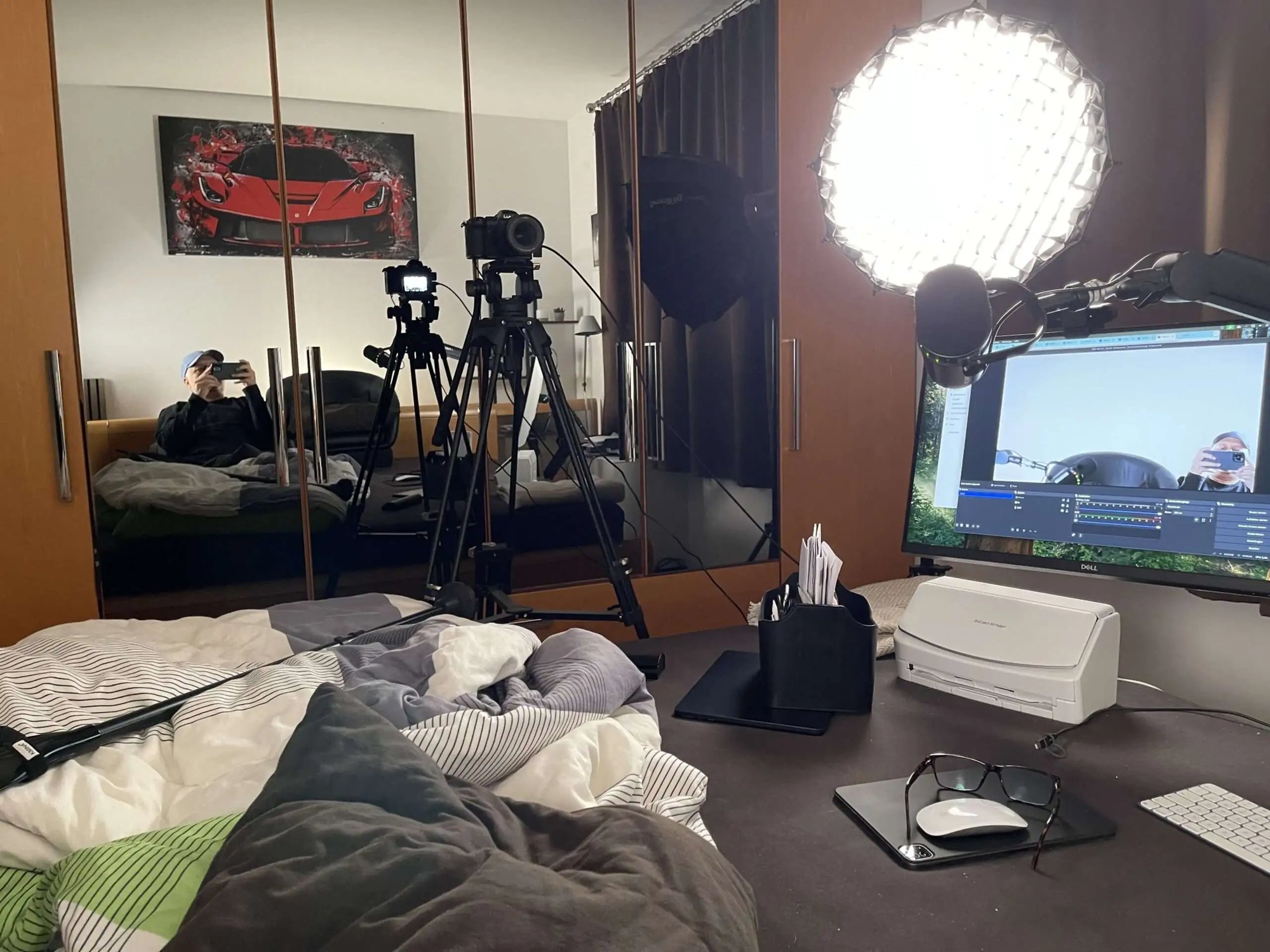
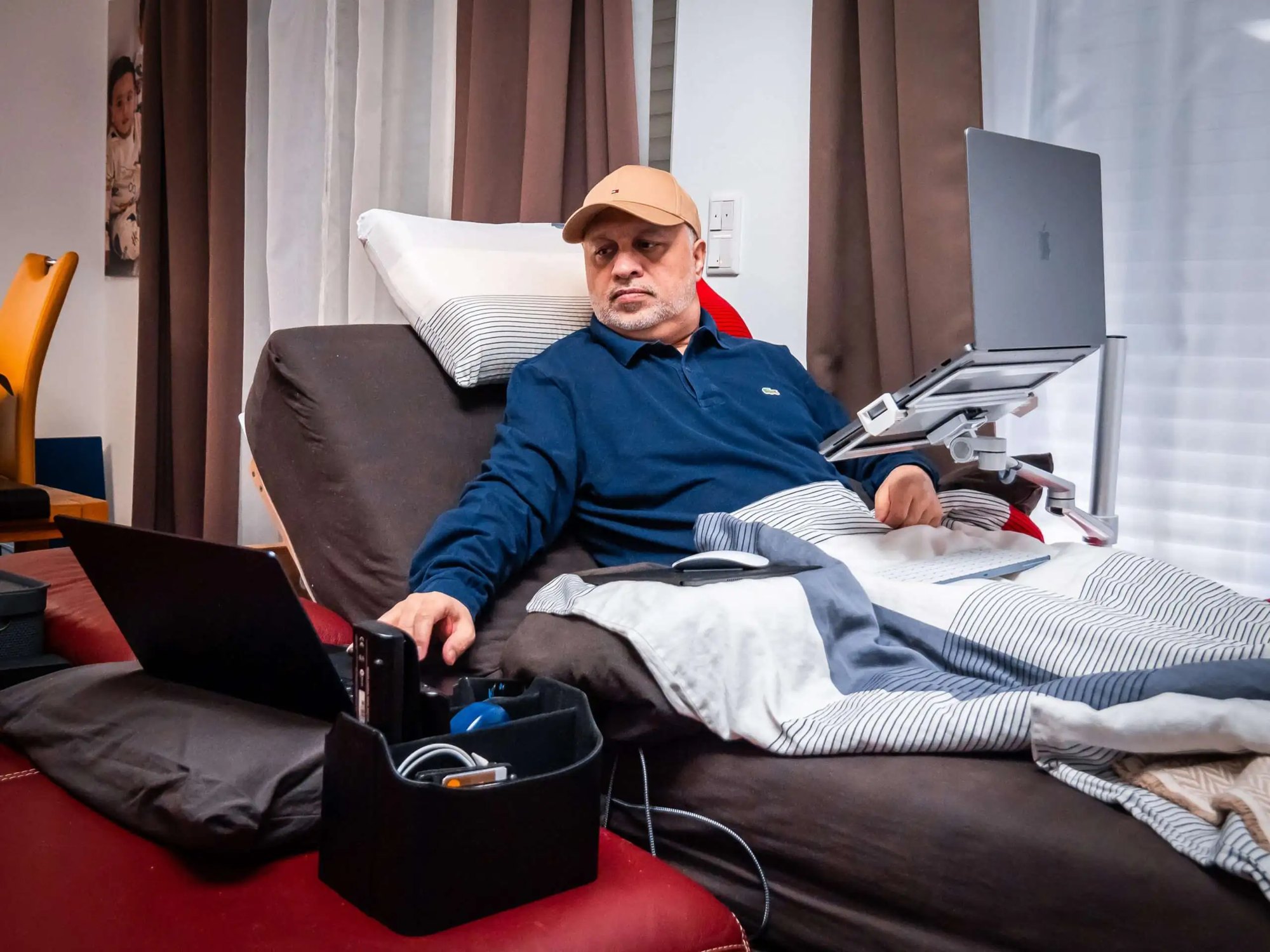
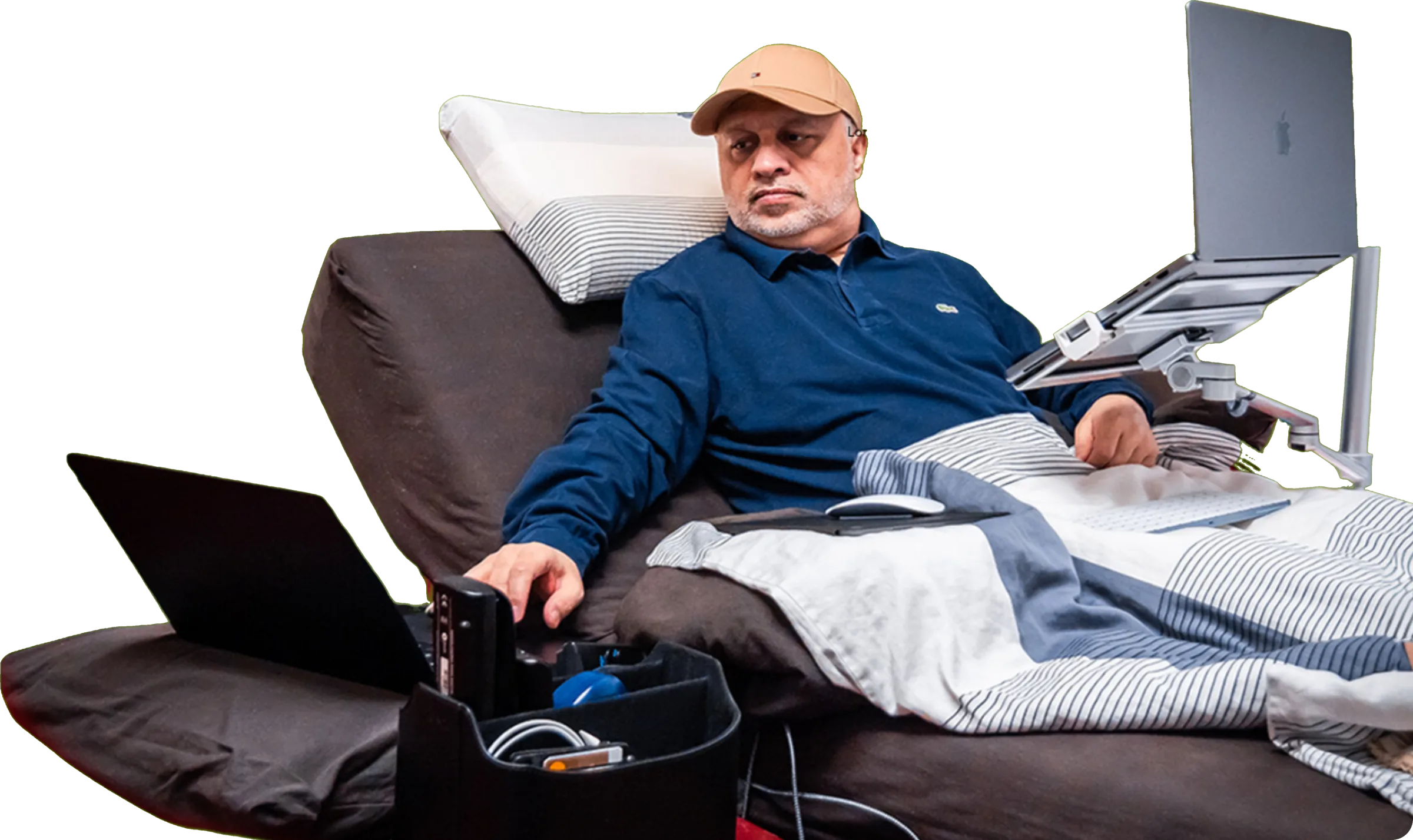
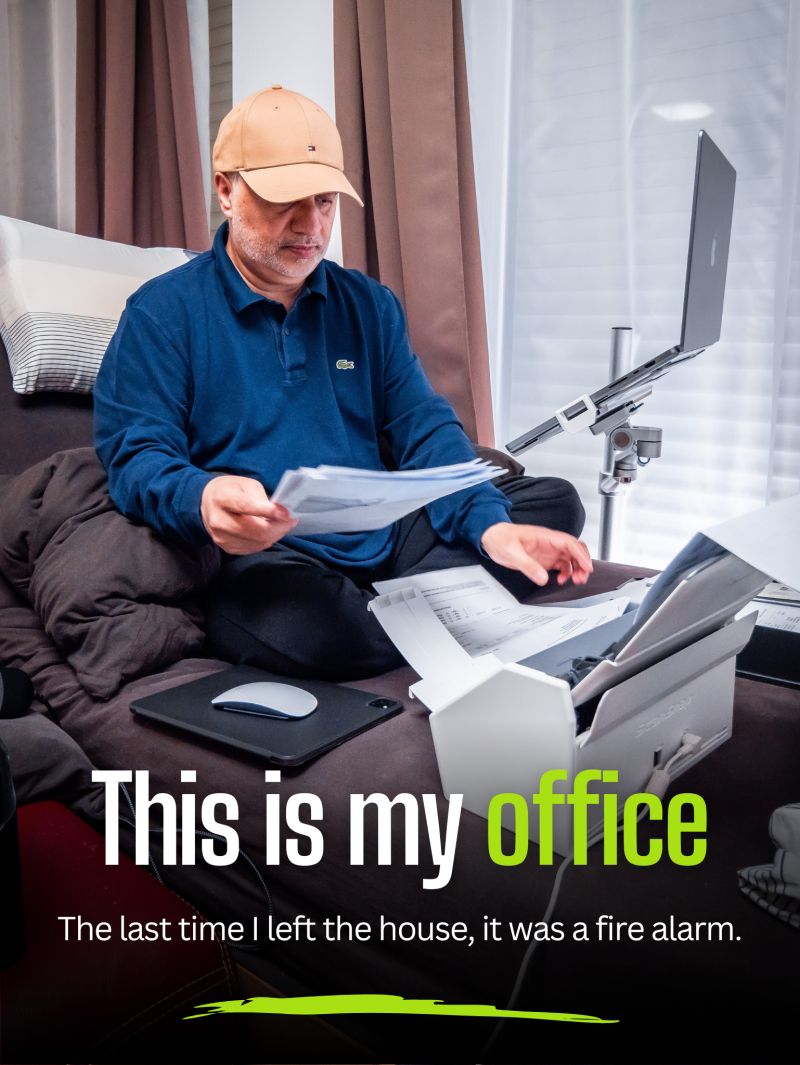
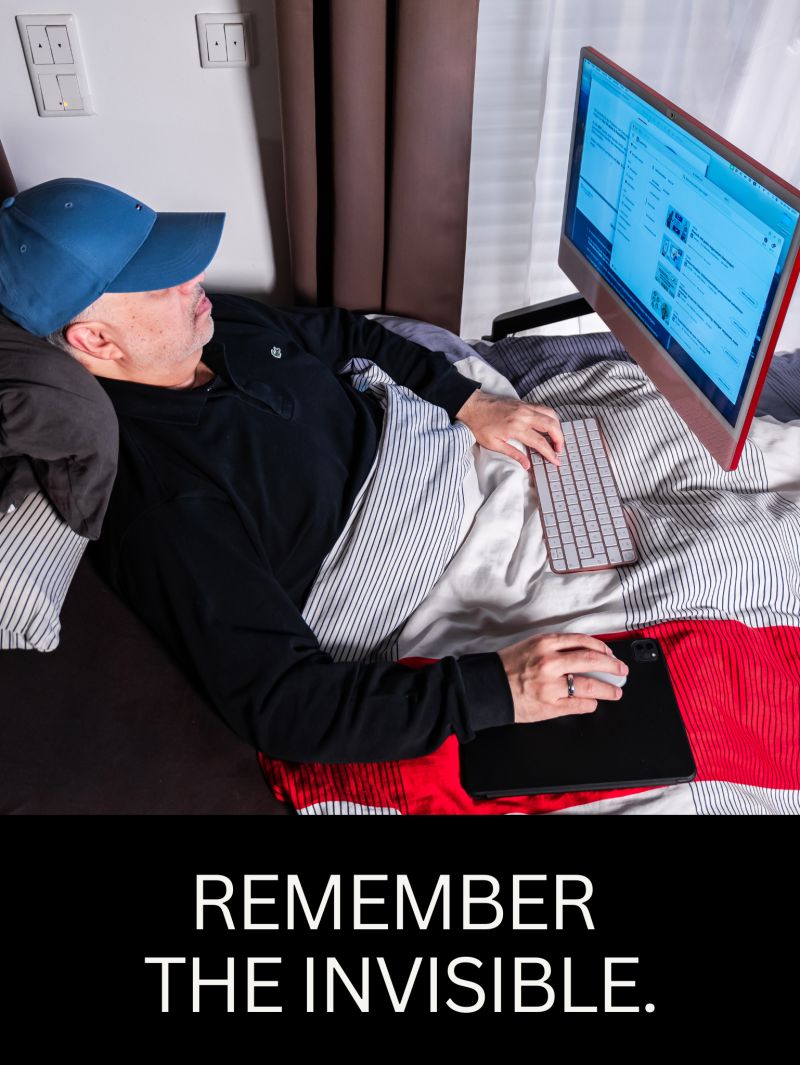
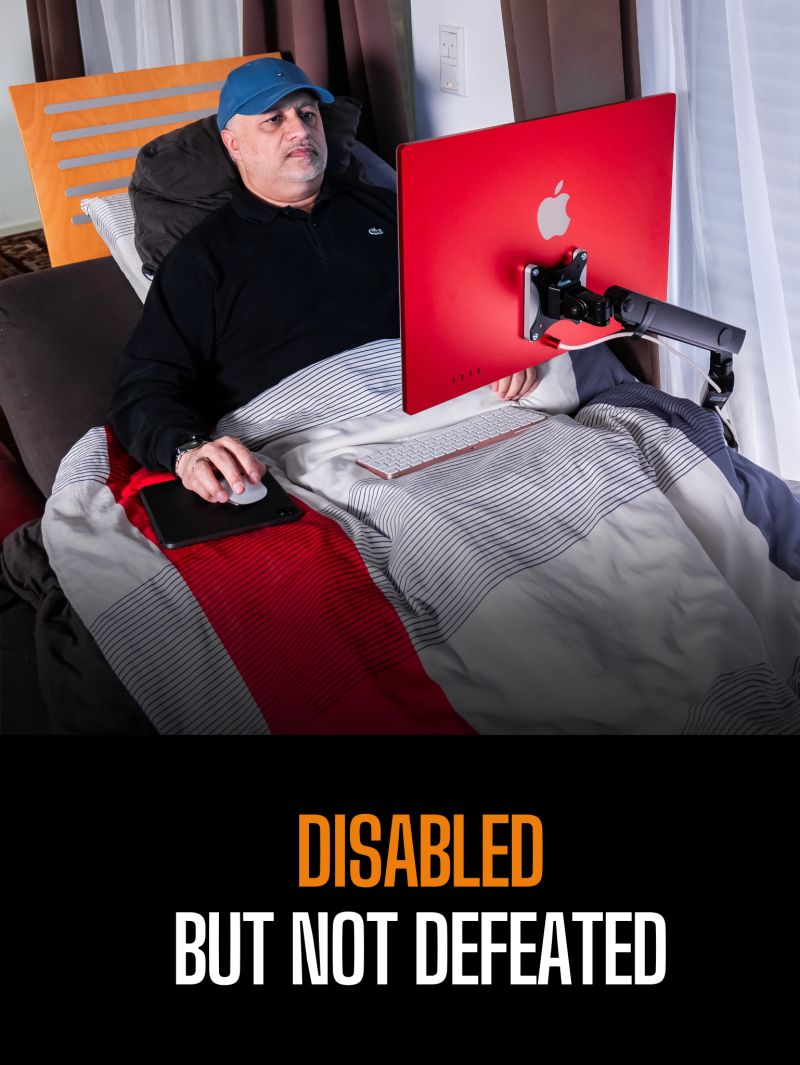
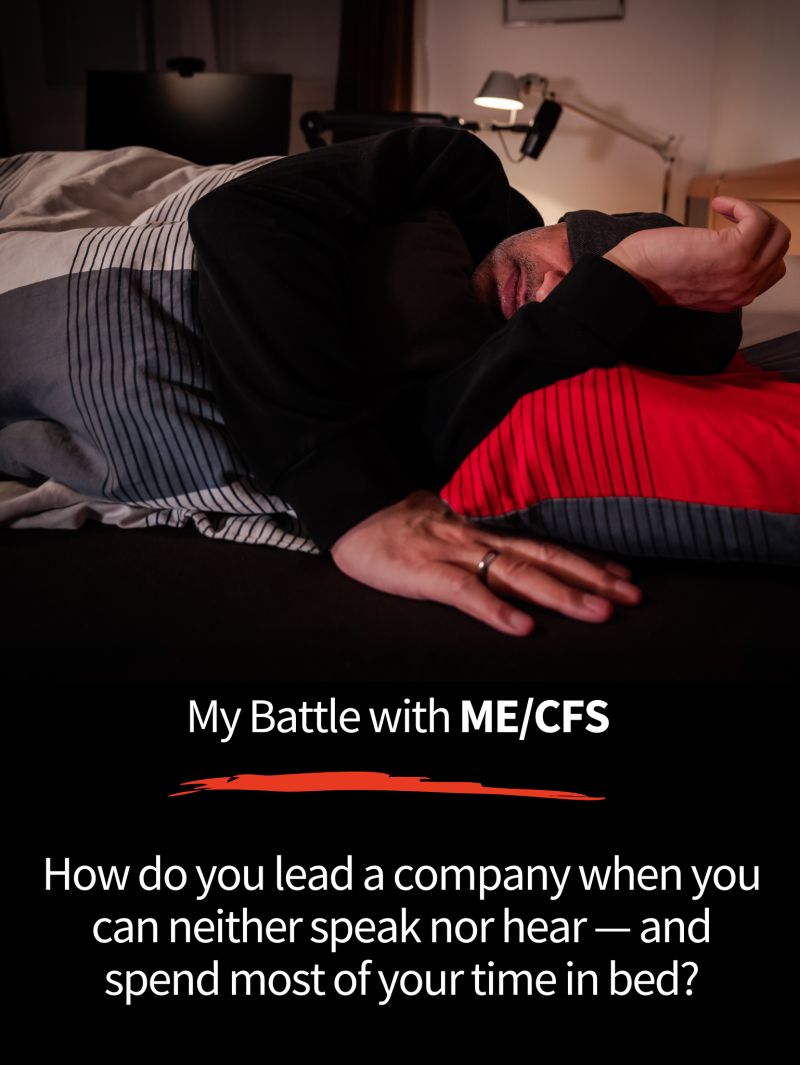
In 2007 I had my first ME/CFS crash. In 2012 I rebuilt the company to run fully remotely, because that was the only way I could keep leading it. At its largest it was 220 people across 19 nations, and I led all of it from bed.
2026
In 2026 the company came to an end. Twenty-nine years, and then that chapter was over.
NOW
Now I am starting again from zero, with a much smaller footprint: me, a small circle, and AI doing the work a department used to do. I am also building Rabwah2045, a long-term project in Pakistan.

How I work
From 2012 until the end, Outsourcing4work ran fully remotely, and I ran it from bed. These are the rules that made that possible. I still work by them, and the new thing is being built on them.
Written before spoken.
Chat before a call, a call before video. If something can be a document, it should be a document.
No standing meetings.
Nothing important is allowed to depend on me being available at a fixed time.
Decisions leave a trail.
A decision that exists only in someone's memory will be made again.
Systems over hours.
The useful question is not how to work longer. It is what keeps running when I stop.
Plans include bad days.
Every week assumes two days may be lost. A plan that only works on good days is not a plan.

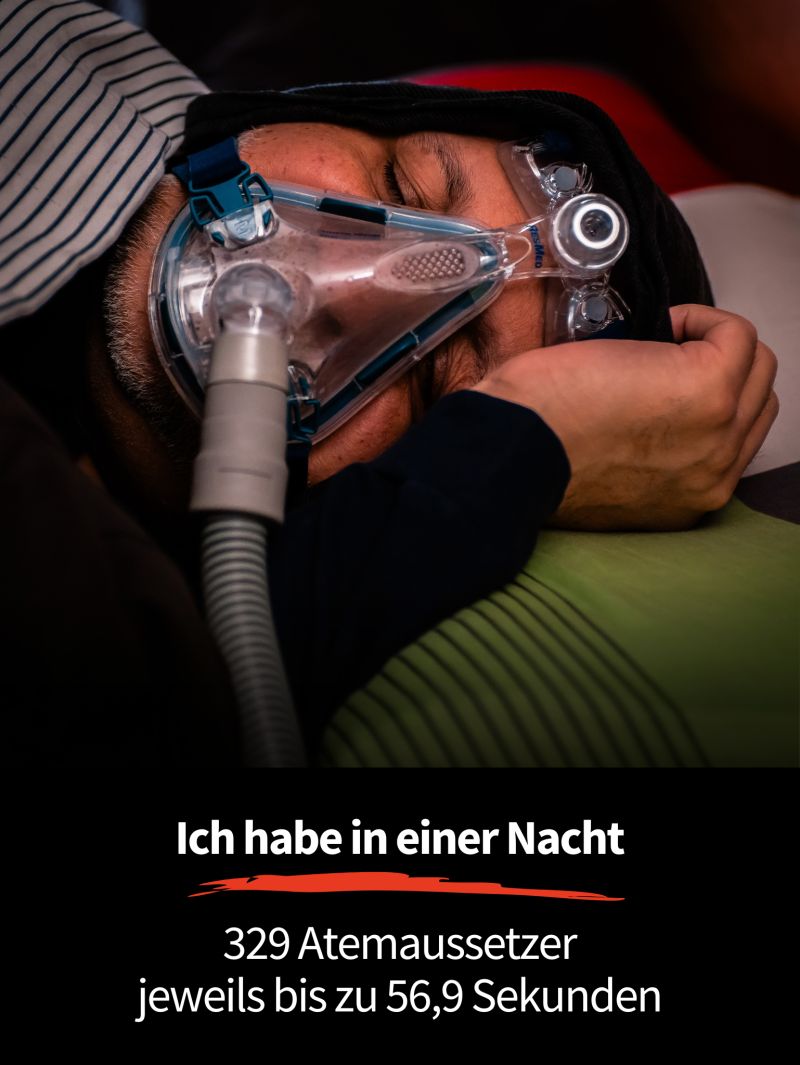
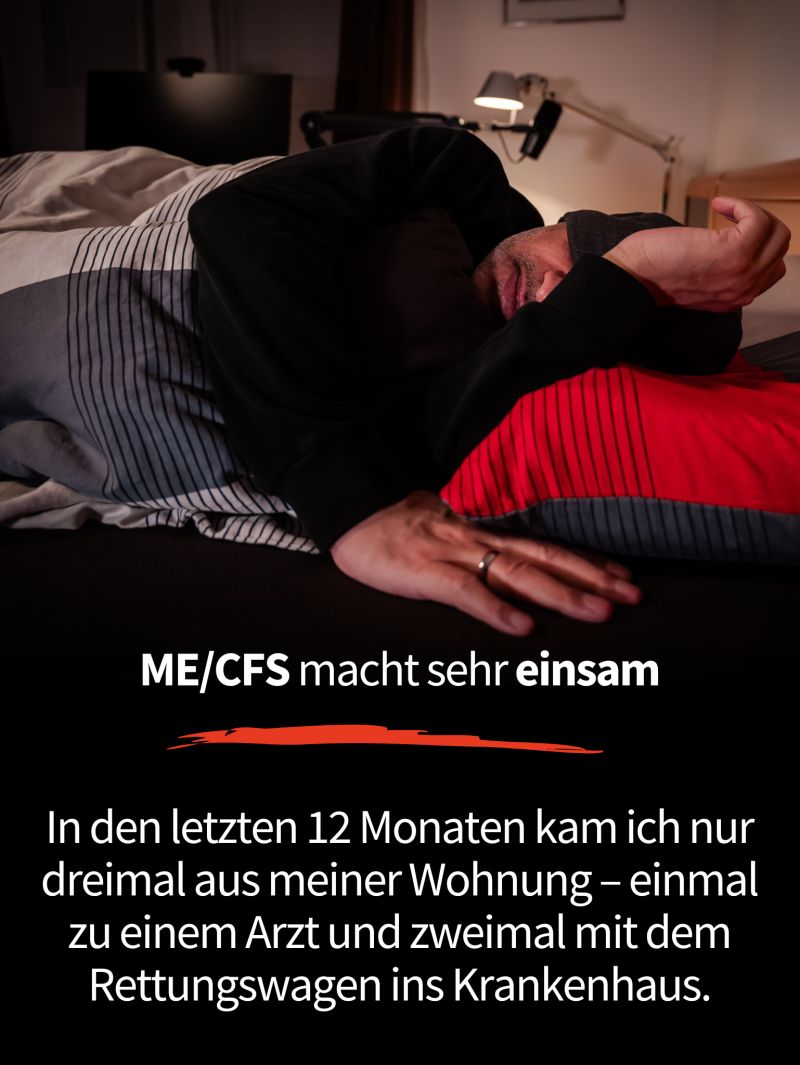
I write about this in public
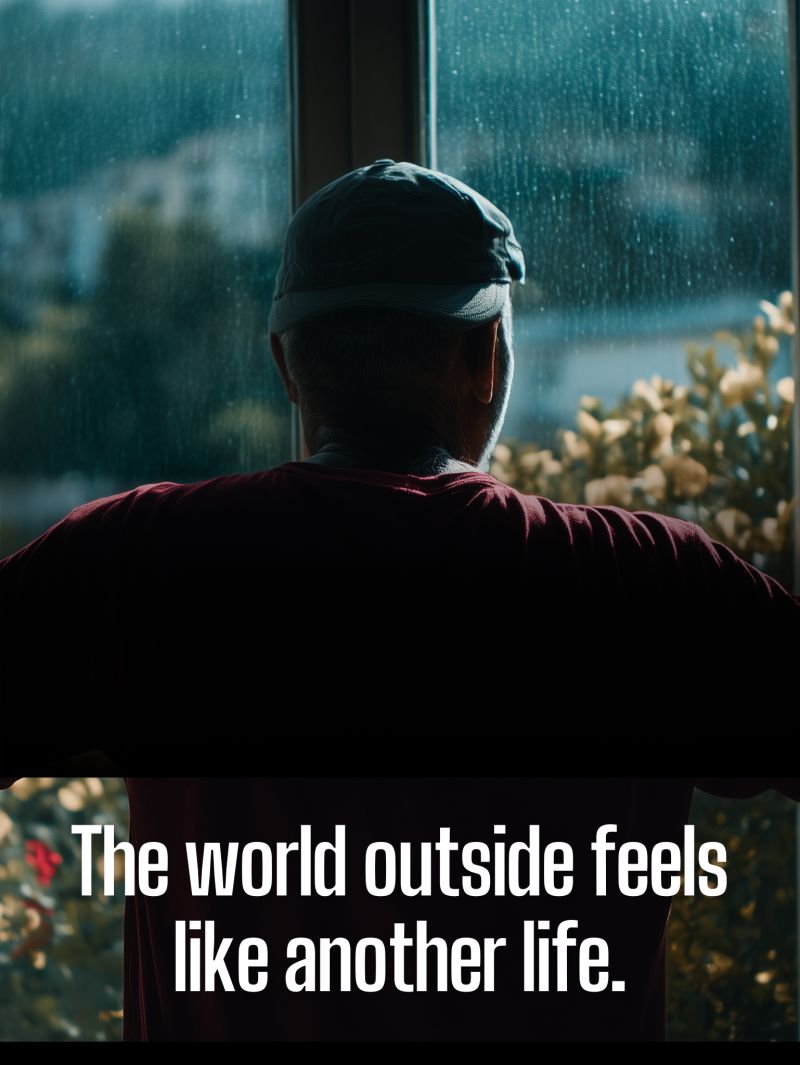
I post about living with ME/CFS, and about how the work still gets done. Not as an example to follow. I do it because most people with this illness are never seen, and because anyone deciding whether to work with me should be able to read the unedited version first.
The unedited version, on purpose.
If you want to understand what this illness does to a life, watch Unrest. Jennifer Brea filmed it from her own bed, because she has ME/CFS too.
What I am building now
No department. Just me and the agents.
I am building an agent-run operating system. I work mainly with AI agents: the work a department of people used to do is done by my agents now, and I supervise it.
Closing a company you built over twenty-nine years teaches you quickly which parts were structure and which parts were just headcount. So I am starting again, deliberately small. What used to take people now runs on systems.
Sources, judgment and approval stay human. I run the whole thing on my own work and write down what happens, including the parts that do not work. That is how I find out which pieces are worth handing to someone else.
Is your AI content built on real expertise?
The AI Content Credibility Audit
Fifteen minutes. Five areas. One clear diagnosis.
Evidence.
Does your content start from real work and real sources?
Claim safety.
Can you back up what you state as fact, and separate it from opinion?
Point of view.
Is there a position in your writing that is recognisably yours?
Reuse.
Can one source carry several formats without repeating itself?
Learning loop.
Does what you learn change what you make next?
You get a score, a diagnosis and three next steps. It is free.
Confirm your address by email. You then receive the audit and one short task a day for seven days. After that, occasional notes. You can unsubscribe at any time. Privacy
The long project
Rabwah2045
One city. One generation.
My grandfather, Abdul Raheem, was among Rabwah's first settlers in 1948. About 80,000 people live there today, and barely a company employs more than ten of them. Talent is everywhere. Opportunity is not.
Rabwah2045 is a long-term project to turn the city into a remote-first, AI-enabled technology hub by 2045, with 10,000 remote jobs as the target. I ran a fully remote company for fourteen years across nineteen nations. Rabwah2045 uses what transfers from that, and is honest about what does not.
~80,000
People
10,000
Remote jobs
2045
The target
The five pillars
- 01 CapitalPilot Support Pool now, Social Business Fund later. Donors today, investors tomorrow.
- 02 MentorsInternational operators and entrepreneurs guiding founders with real experience, not theory.
- 03 TalentFounders and builders connected to Rabwah, found and developed through open programs.
- 04 PlaceA startup and coworking hub in Rabwah where founders build side by side.
- 05 TrustTransparent legal structures, published documents, milestone-based funding, public reporting.
The long project
Rabwah2045
One city. One generation.
My grandfather, Abdul Raheem, was among Rabwah's first settlers in 1947. About 80,000 people live there today, and barely a company employs more than ten of them. Talent is everywhere. Opportunity is not.
Rabwah2045 is a long-term project to turn the city into a remote-first, AI-enabled technology hub by 2045, with 10,000 remote jobs as the target. I ran a fully remote company for fourteen years across nineteen nations. Rabwah2045 uses what transfers from that, and is honest about what does not.
~80,000
People
10,000
Remote jobs
2045
The target
The five pillars
- 01 CapitalPilot Support Pool now, Social Business Fund later. Donors today, investors tomorrow.
- 02 MentorsInternational operators and entrepreneurs guiding founders with real experience, not theory.
- 03 TalentFounders and builders connected to Rabwah, found and developed through open programs.
- 04 PlaceA startup and coworking hub in Rabwah where founders build side by side.
- 05 TrustTransparent legal structures, published documents, milestone-based funding, public reporting.
Still here
If you read this far, you probably want to talk.
I answer slowly, in writing, from bed. That is the same way I ran a company for fourteen years across nineteen nations, so it works better than it sounds.
Slow replies. Real ones.
Still here
If you read this far, you probably want to talk.
I answer slowly, in writing, from bed. That is the same way I ran a company for fourteen years across nineteen nations, so it works better than it sounds.
Slow replies. Real ones.