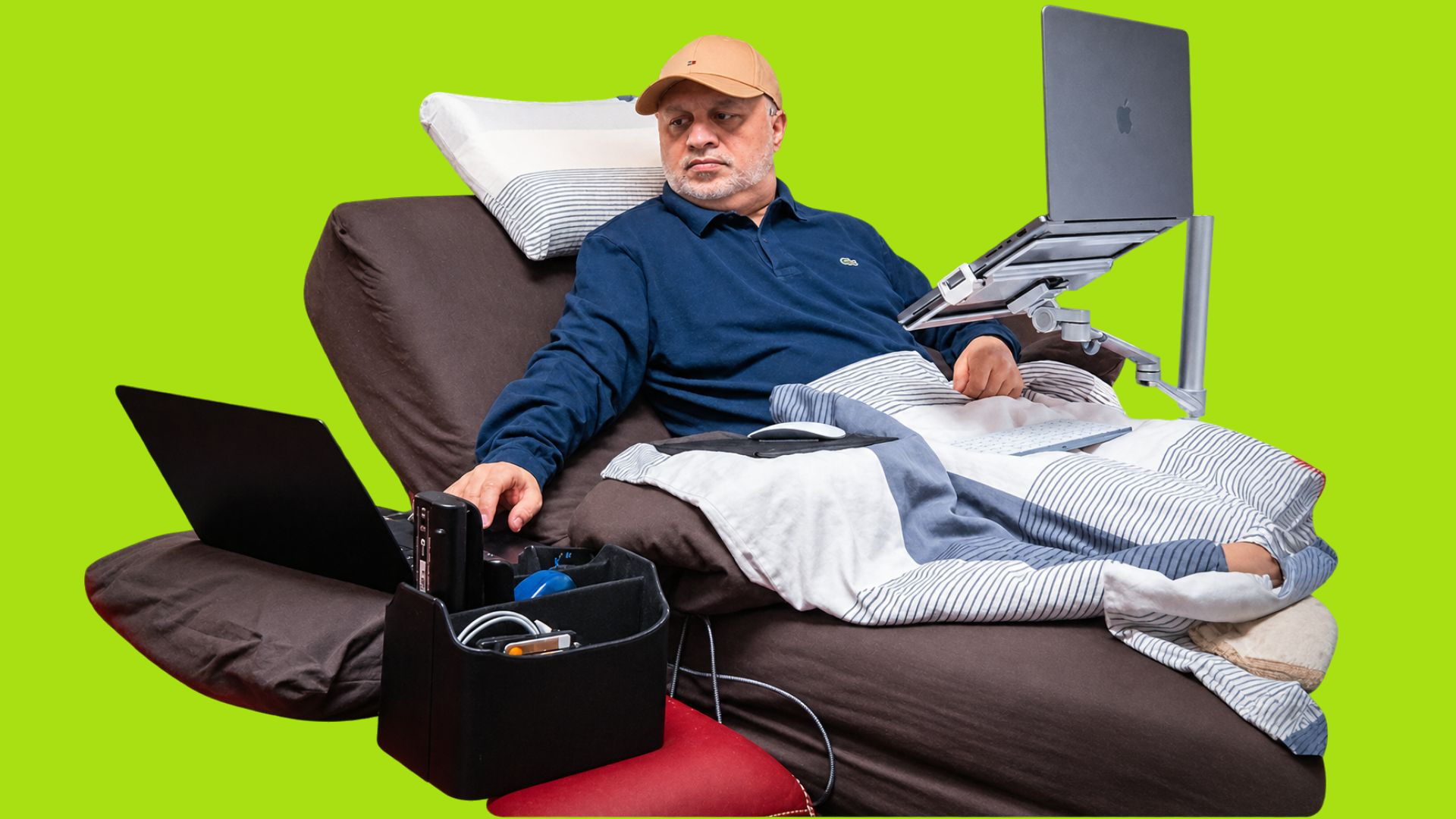
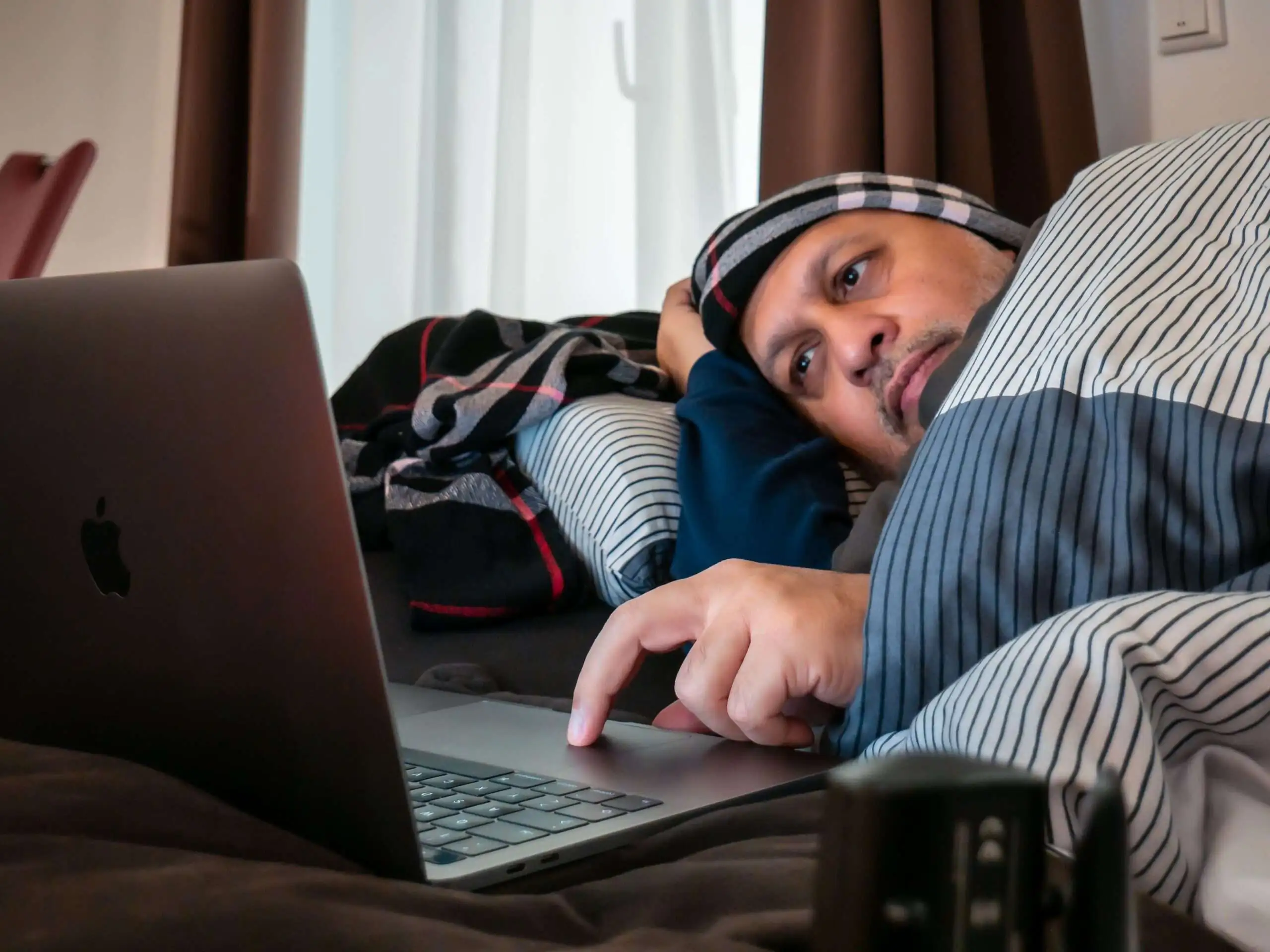
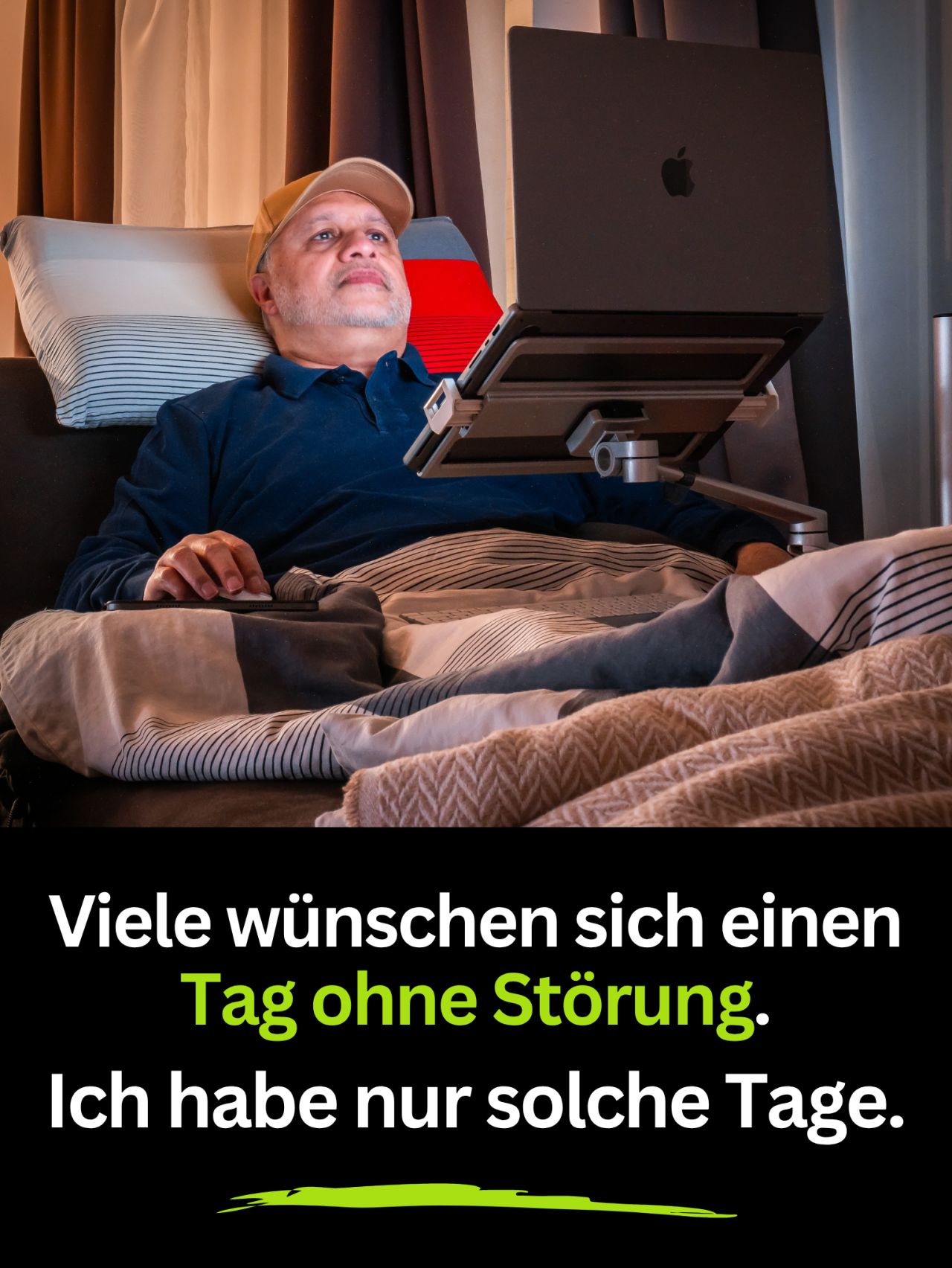
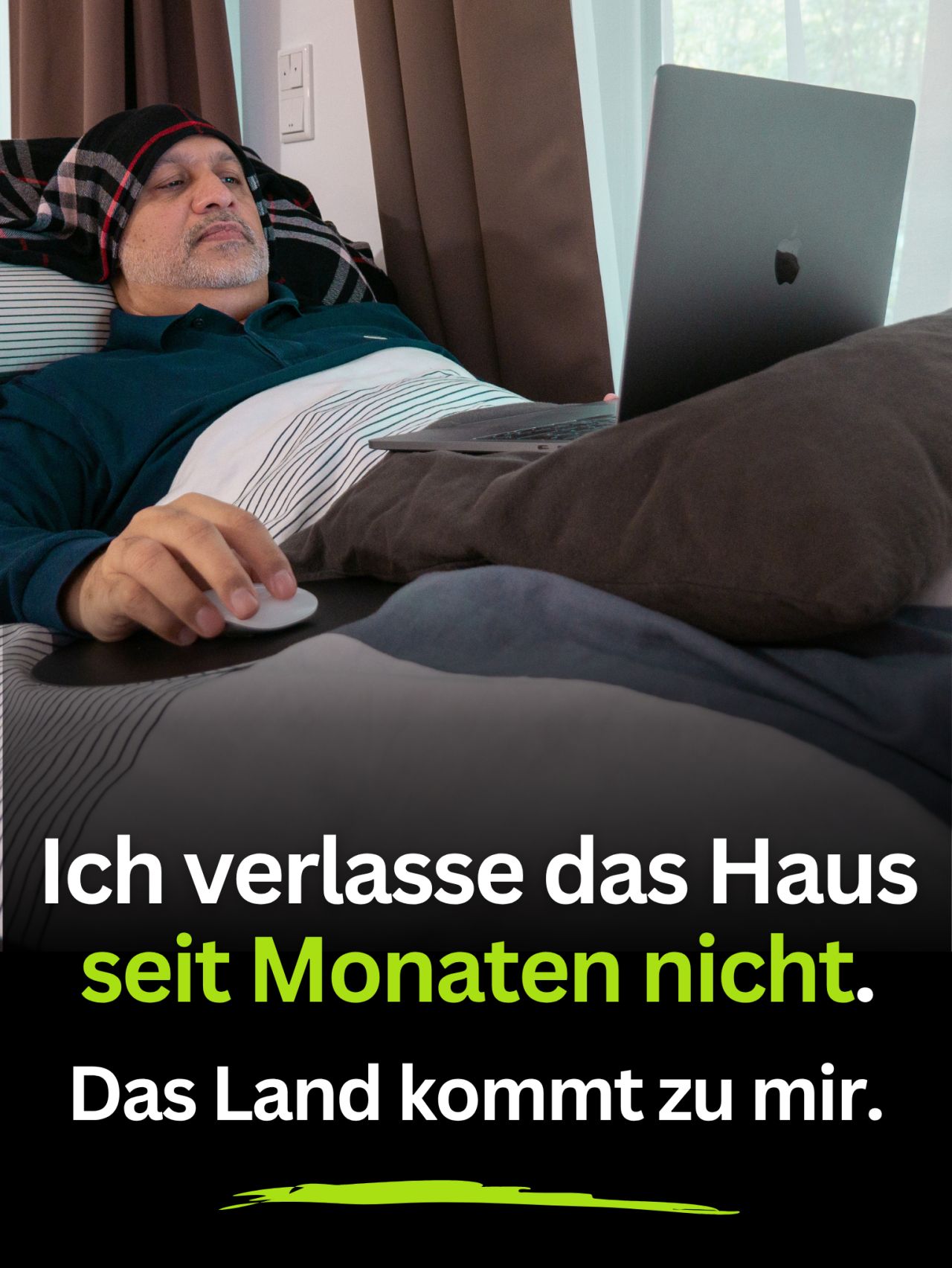
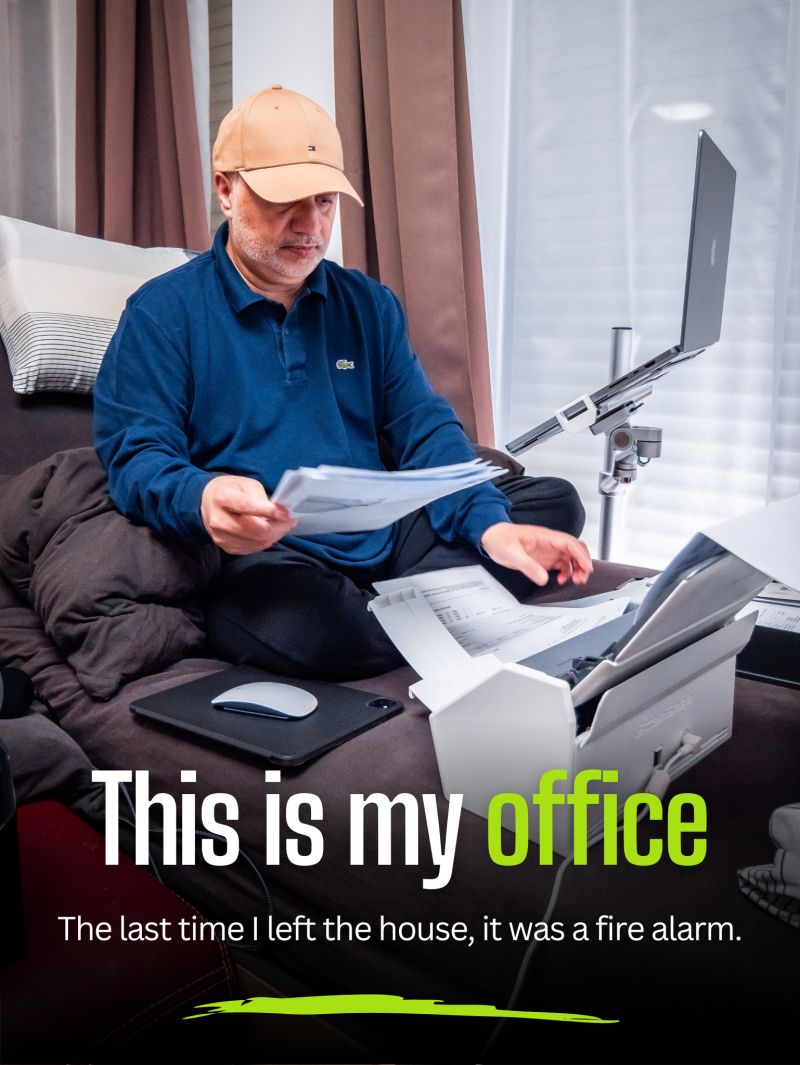
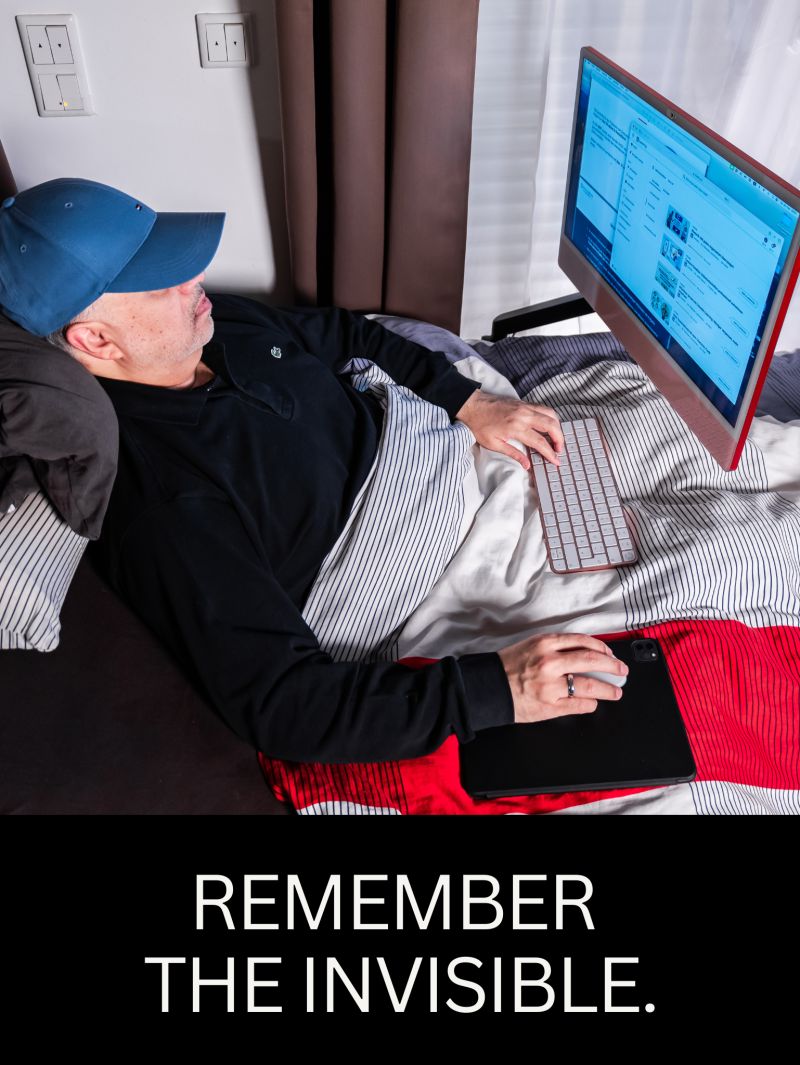
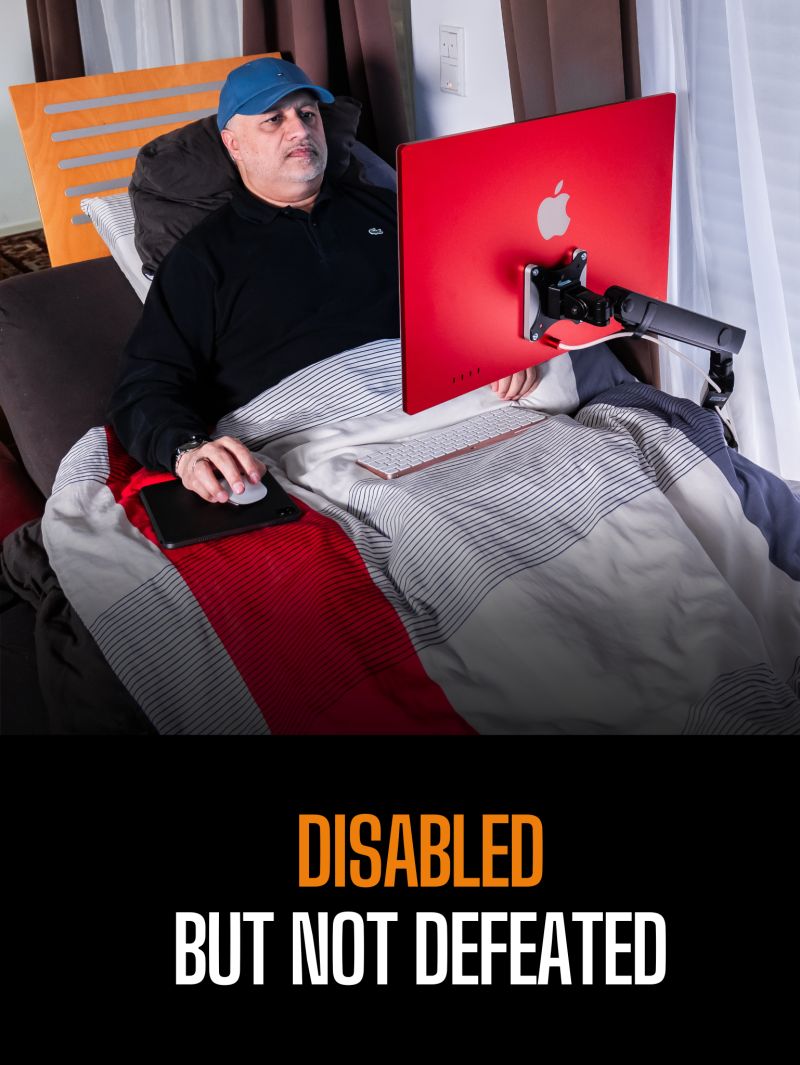
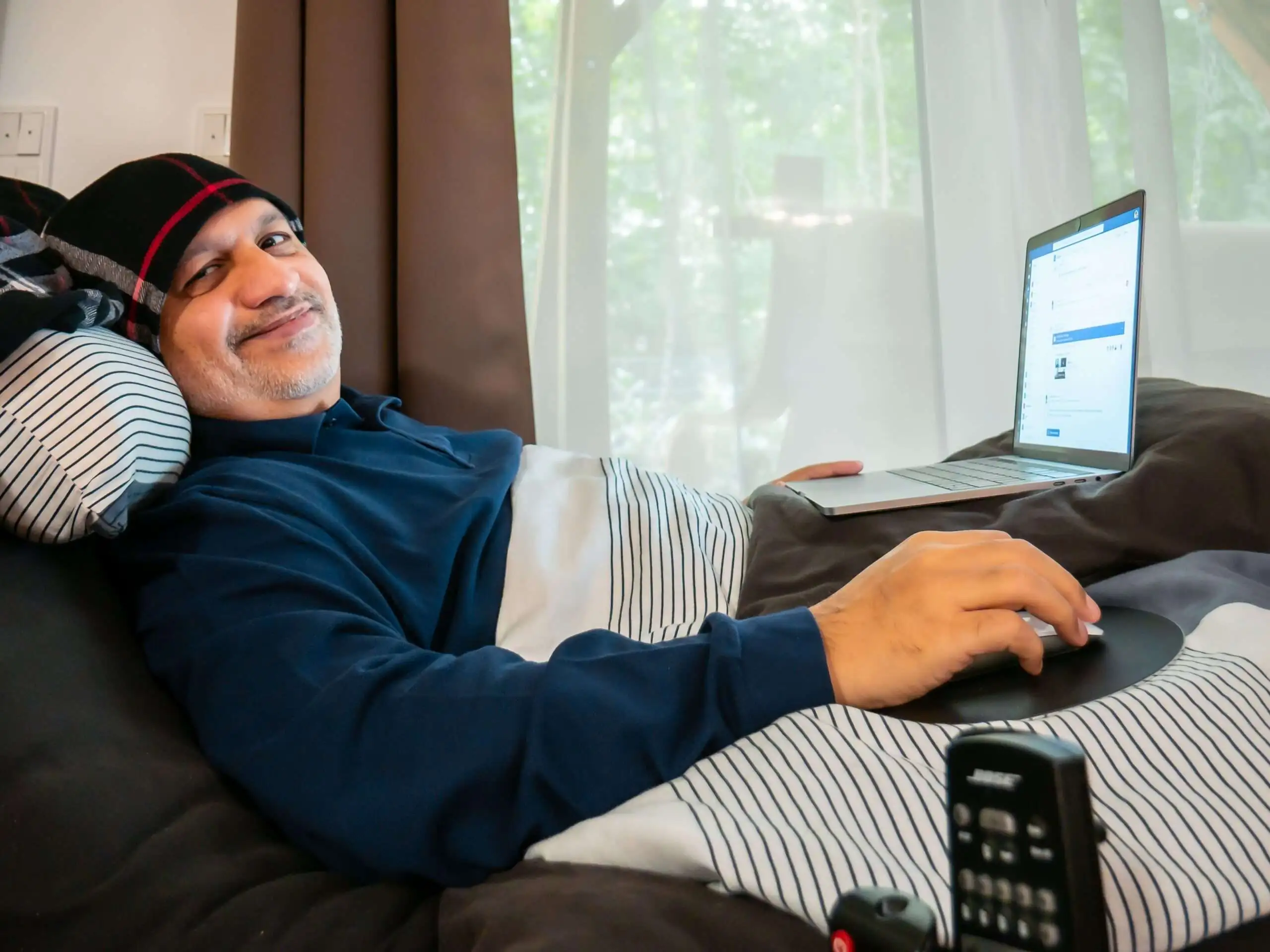
I built a company with revenue in the millions of euros: 220 people, 19 nations, and for many years I ran it from bed. What I am building now needs almost none of them.
Where my work has been covered
Daily JangDarmstädter EchoPersonalwirtschaftIT-DirectorEnableMeRolling PlanetNew Work LifeGetremoteFintechNews PhilippinesDaily JangDarmstädter EchoPersonalwirtschaftIT-DirectorEnableMeRolling PlanetNew Work LifeGetremoteFintechNews Philippines
The short version
Arrived at sixteen. Started over at fifty-seven.
Arrived
Germany, 1985
Home
Groß-Gerau, Germany
Works
Fully remote since 2012, from bed for many years
1985
I left Pakistan in 1984 and lived in Sweden for about a year. In 1985, at sixteen, I came to Germany as an asylum seeker. In 1993 I started my first company, an eyewear business. My family has made glasses for three generations. In 1997 I founded Outsourcing4work. We built software used by around 200 German public authorities, and we provided German companies with IT specialists from India. Alongside it came CoreAIVideo, a platform for AI videos.
2007
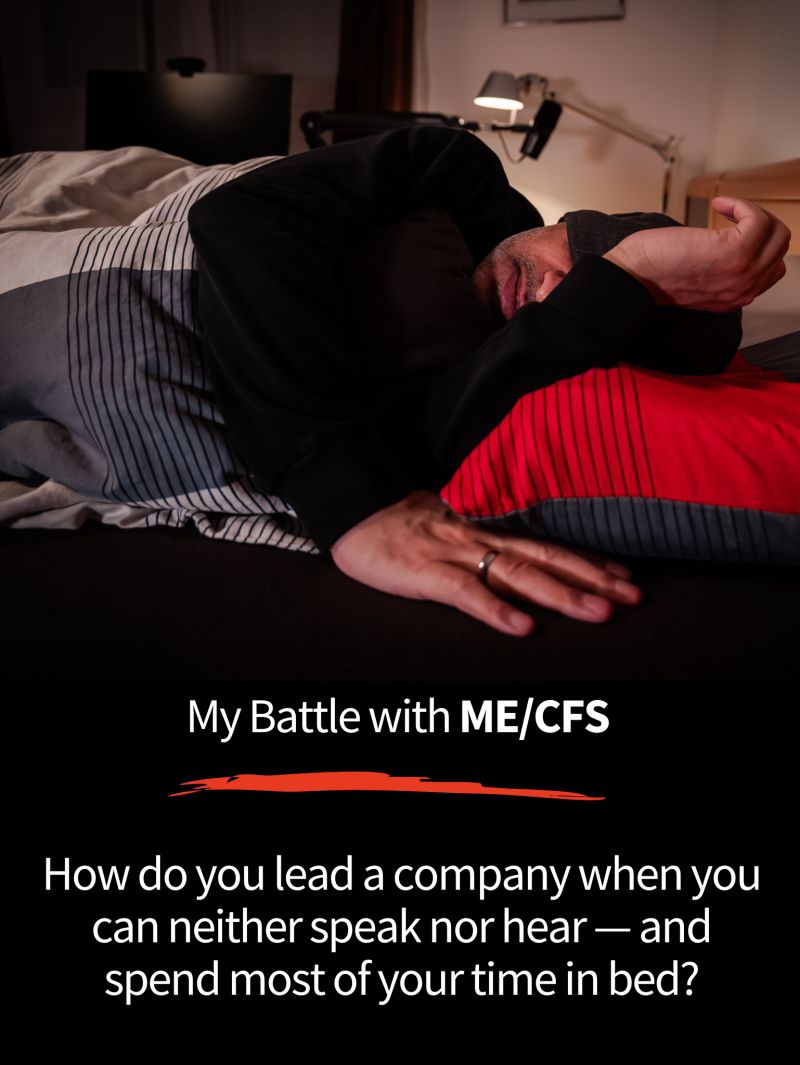
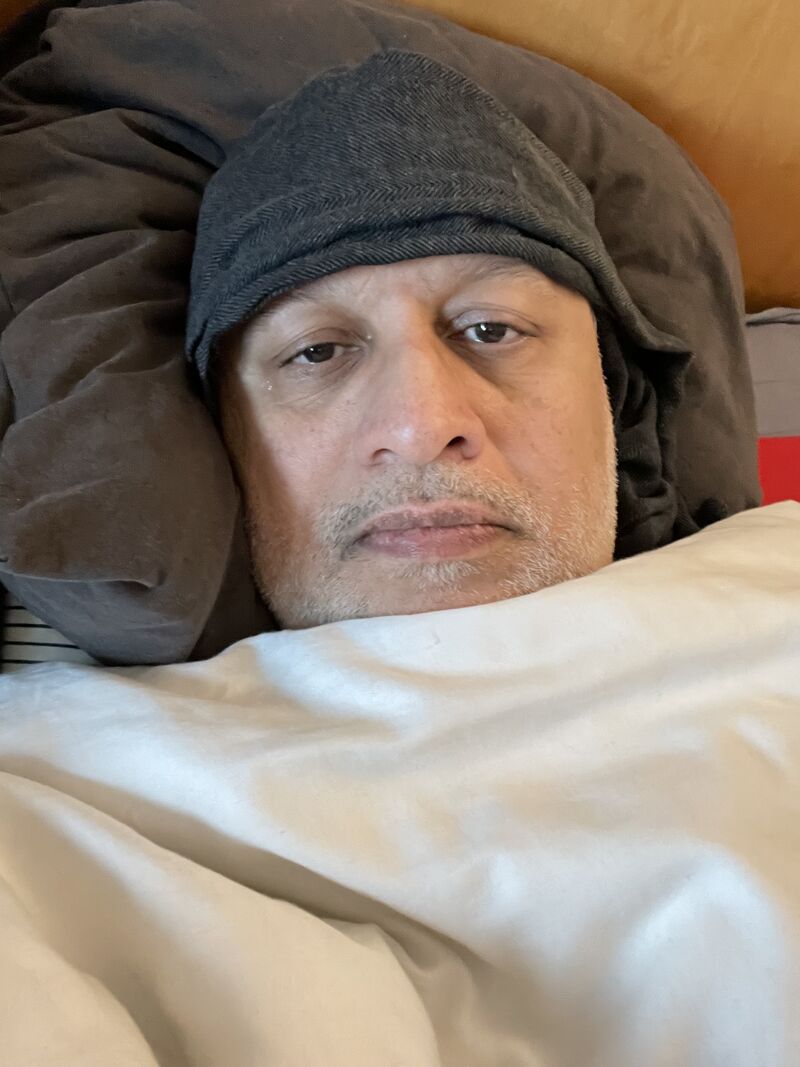
In 2007 I had my first ME/CFS crash. In 2012 I made the company fully remote, because that was the only way I could keep running it. 220 people from 19 nations worked for the company. For many of those years I ran it from bed.
2022
In 2022 my health got much worse.
2026
In 2026 the company came to an end. Twenty-nine years, and then that chapter was closed.
NOW
Now I am starting from zero again, on a much smaller scale: me and AI agents that do the work of whole departments. I am building SpotFan, working on Islam-Today.com and building Rabwah2045, a long-term project in Pakistan.
From Taekwondo to building teams
About twenty years of Taekwondo, first as a competitor, later as a coach and club founder.
In 1987 I won my weight class at a Lower Saxony ranking tournament. In 1988 I came third at the Lower Saxony Poomsae championships, behind two reigning German champions. In 1989 I passed my first Dan exam as the best candidate in Lower Saxony.
I founded a club in Soltau, became an entrepreneur in 1993, and later added a second club in Groß-Gerau. The setting changed, the work stayed the same: build a structure, help people grow inside it, make progress visible.
Same job, different room.
What changed in 2007
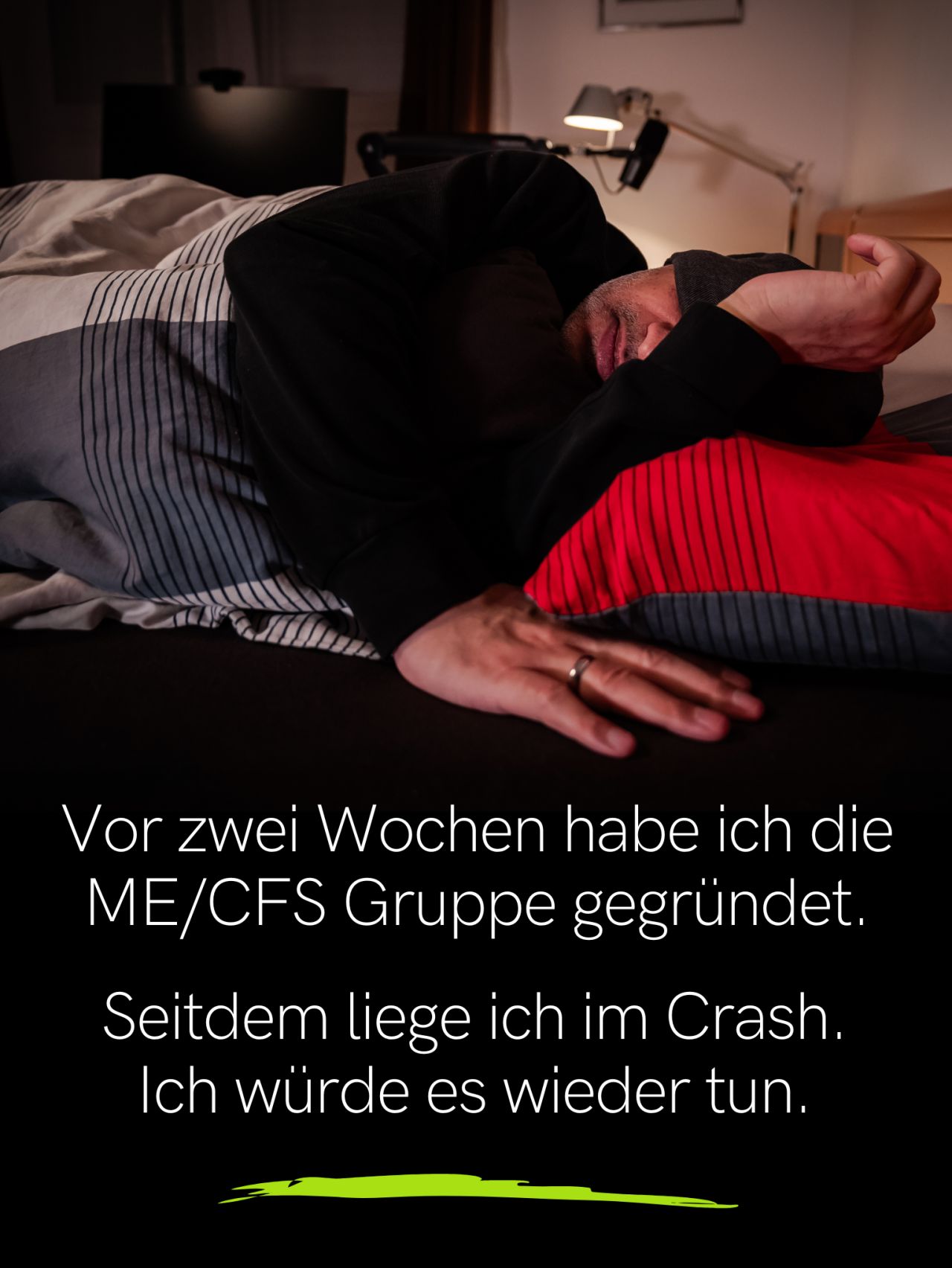
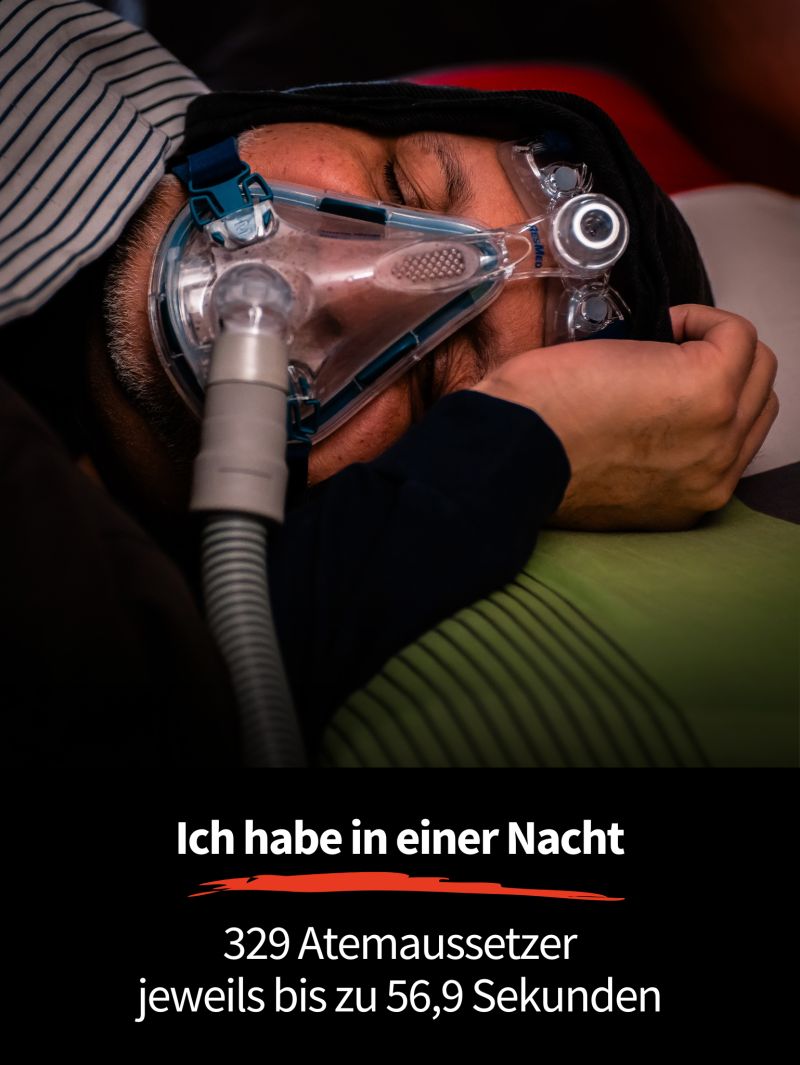
In 2007, at thirty-eight, I had my first ME/CFS crash. The diagnosis came nine years later.
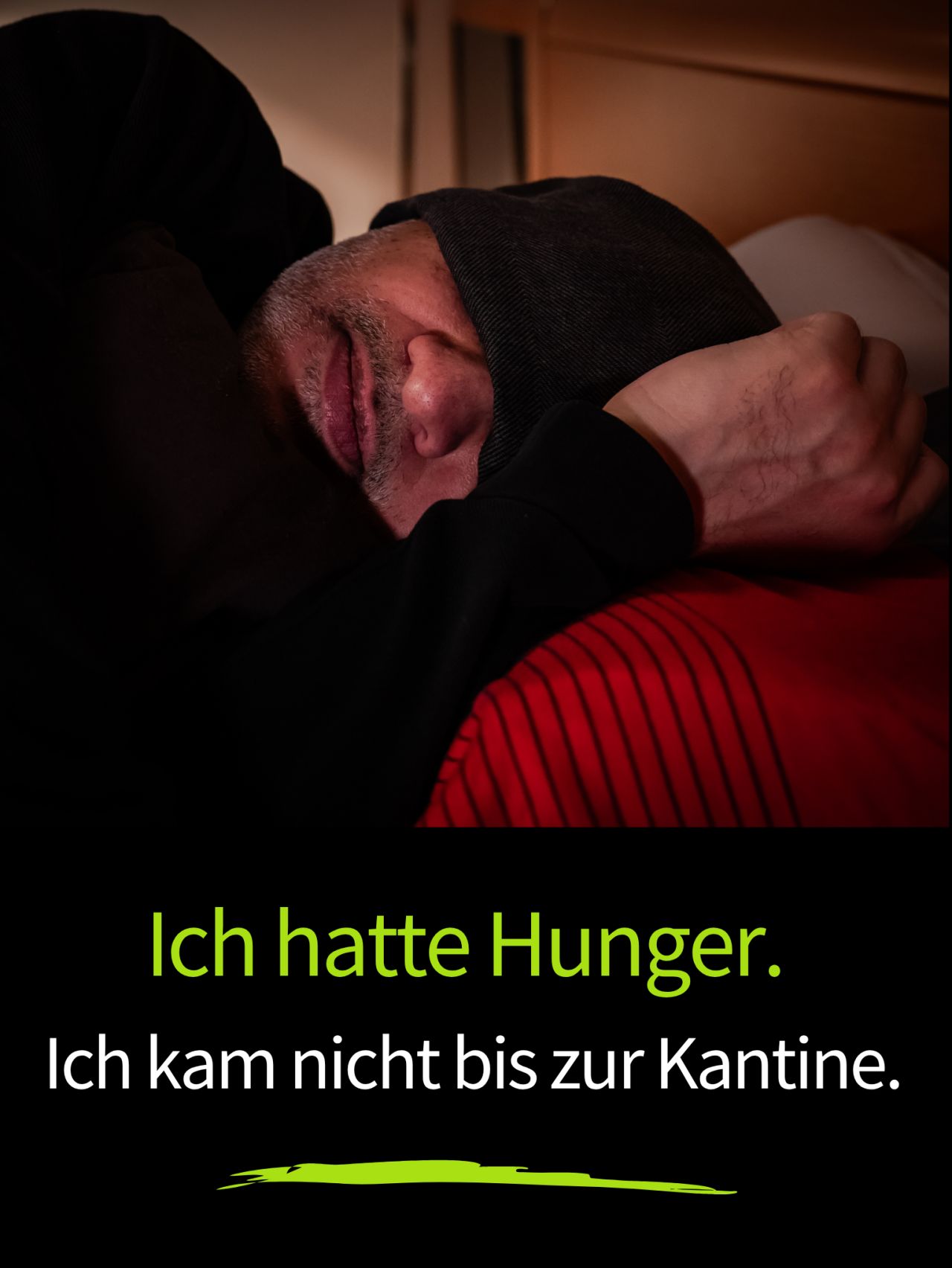
I need help with things other people never think about. Opening a water bottle. Getting from one room to another. I am not saying this to get sympathy. I am saying it because it explains why my work has to fit within limits I cannot predict.
Nine years without a name.
The rules
How I work
From 2012 until the end, Outsourcing4work ran fully remote, and for many of those years I ran it from bed. Before that, the same work meant flights to Daegu in South Korea and Bucharest in Romania, plus about 100,000 kilometers a year on German roads. These rules made the switch possible. I still work by them, and what I am building now rests on them.
01
Writing before talking.
Chat before a phone call, a phone call before video. Whatever can be a document becomes a document.
02
No fixed meetings.
Nothing important may depend on me being available at a fixed time.
03
Decisions leave a trail.
A decision that exists in only one head gets made a second time.
04
Systems over hours.
The useful question is what keeps running when I stop.
05
Plans expect bad days.
Every week assumes that two days may be lost. A plan that only works on good days is no plan.
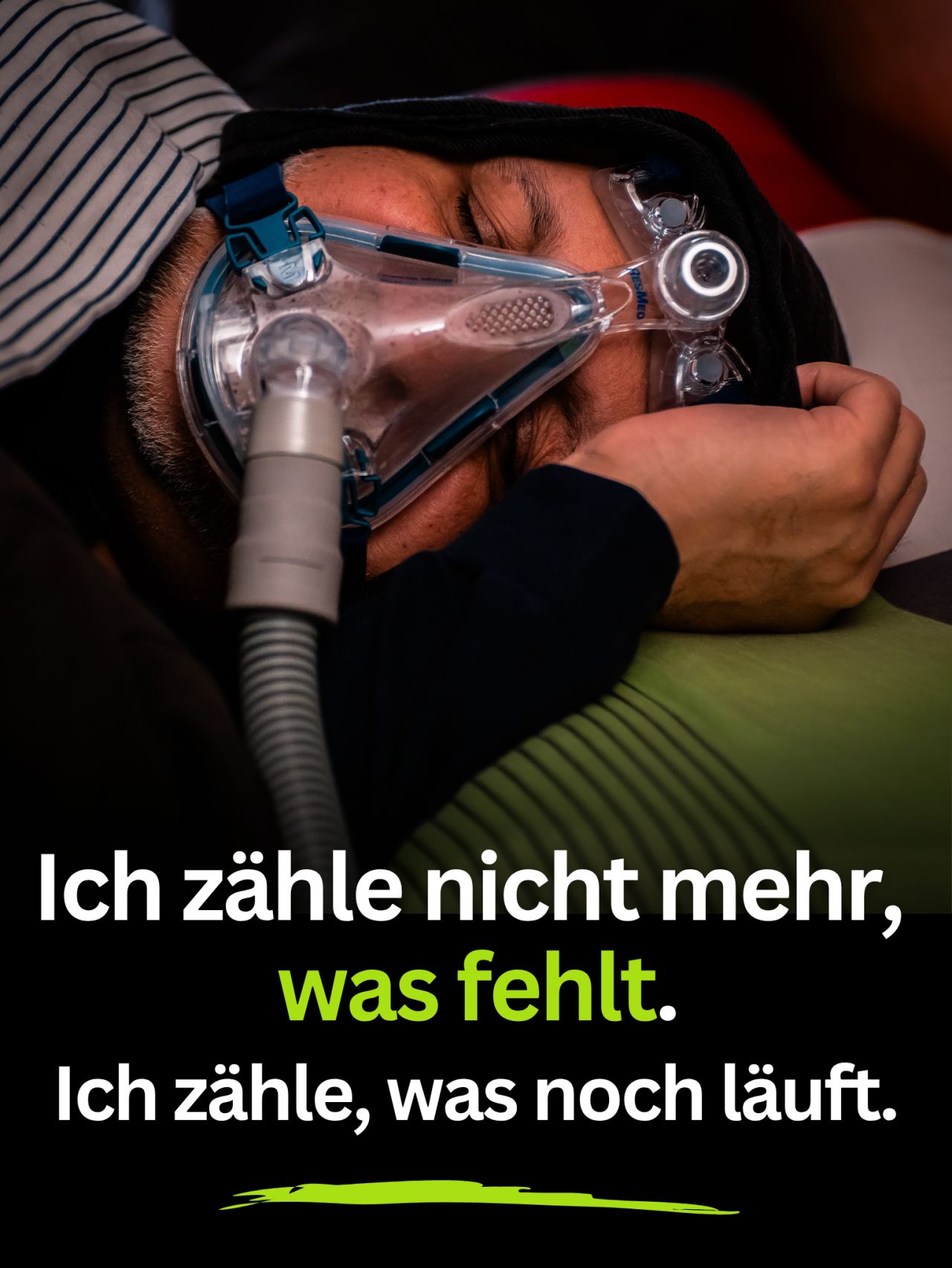
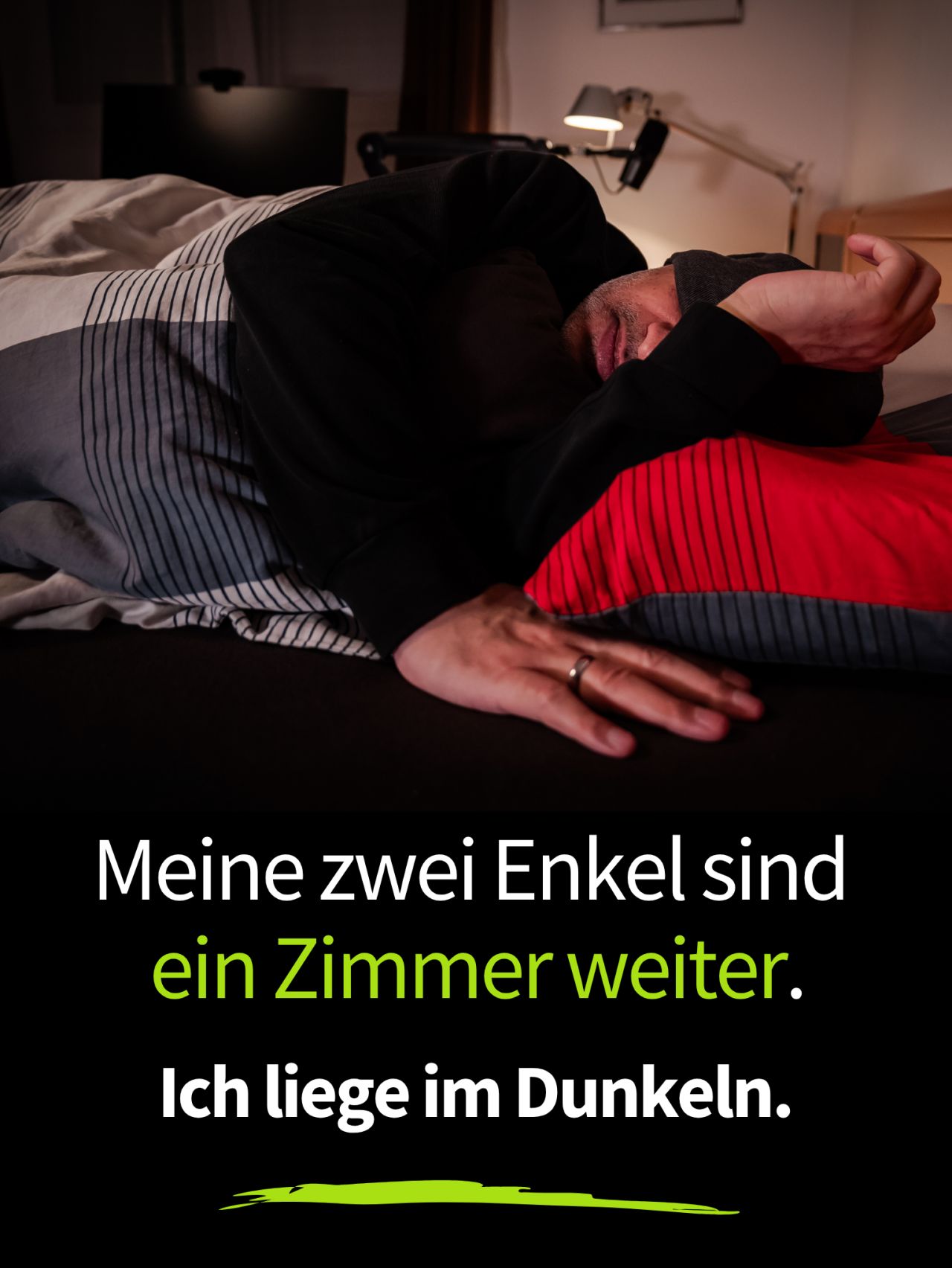
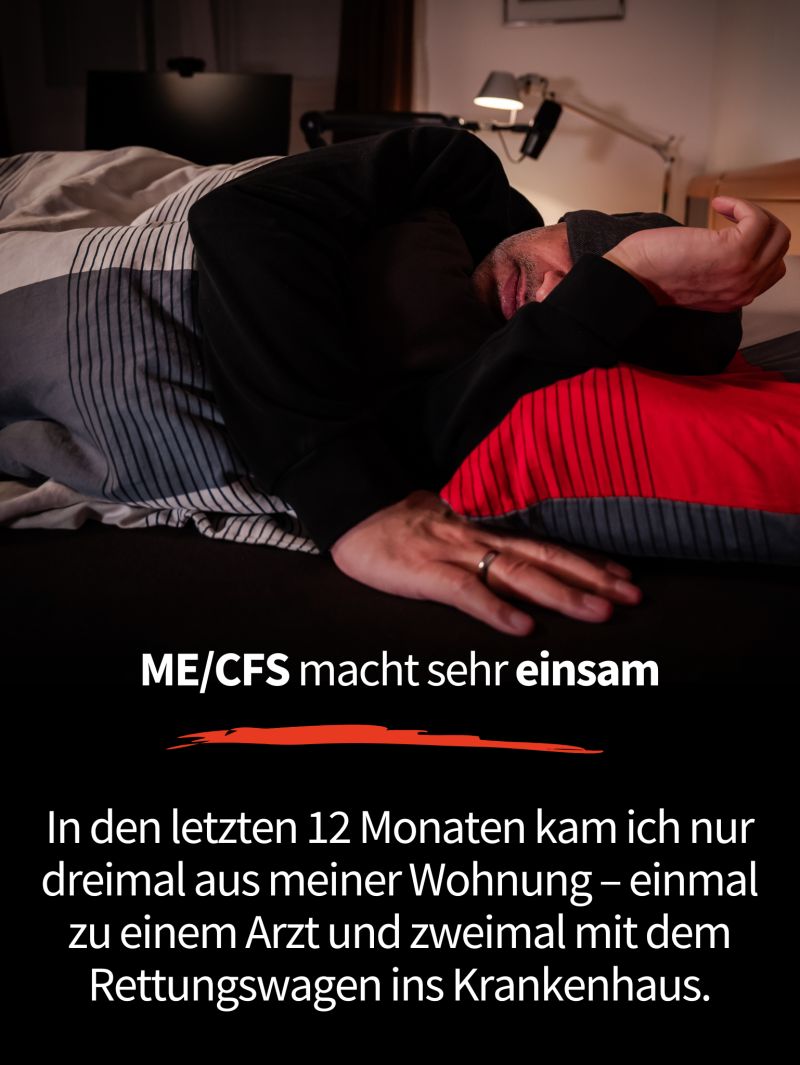
"Seit 40 Monaten ist er nicht mehr aus dem Bett aufgestanden. Eingesperrt in seinem Zimmer im Dunkeln, ohne sich selbstständig umdrehen, trinken oder die Decke hochziehen zu können."
I write about my life with ME/CFS and about how the work still gets done. I do it because most people with this illness are never seen, and because anyone thinking about working with me should be able to read the unpolished version first.
The unpolished version, on purpose.
To understand what this illness does to a life, start with Wikipedia and then watch this video about ME/CFS.
What I am building now
SpotFan. Customers through LinkedIn, the way LinkedIn allows.
220
people before
0
now
My next customers are already under my LinkedIn posts. They react, comment, send a message. SpotFan finds these people, keeps every reaction, comment and message in one place per person, and shows me who to talk to next, with a draft ready. I read every message, edit it where needed, and then send it myself.
SpotFan uses only what LinkedIn has set up for this: the official interface and your own data export. No bots, no browser extensions, and your data stays on your own computer. I build SpotFan alone with my AI agents and use almost all of it myself every day.
My grandfather, Abdul Raheem, was one of the first settlers of Rabwah in 1948. Today about 80,000 people live there, and hardly any company employs more than ten of them. Talent is everywhere. Opportunity is not.
Rabwah2045 is my lifetime project: by 2045 the city is to become a technology hub, remote first and built with AI, with 10,000 remote jobs as the goal. For fourteen years I ran a fully remote company across nineteen nations. Rabwah2045 uses what carries over from that, and is honest about what does not.
01MentorsInternational entrepreneurs who guide founders with real experience from their own work.
02TalentFounders and builders with ties to Rabwah, found and developed through open programs.
03TrustTransparent legal structures, published documents, funding by milestones, public reports.
04CapitalFirst a Pilot Support Pool, later a Social Business Fund. Backers today, investors tomorrow.
05PlaceA startup and coworking hub in Rabwah where founders build side by side.
1948 · settledToday2045 · goal
Since 1999
Islam-Today
Every answer with a source.
In 1999 I founded Islam-Today.com. Anyone could ask questions about Islam there, even without giving their name.
Many volunteers kept the site running. In early 2003 it went offline.
Now I am relaunching Islam-Today.com. You ask your question in a chat, in your own language. An AI answers, and every answer is backed by the Holy Quran and the Hadith.